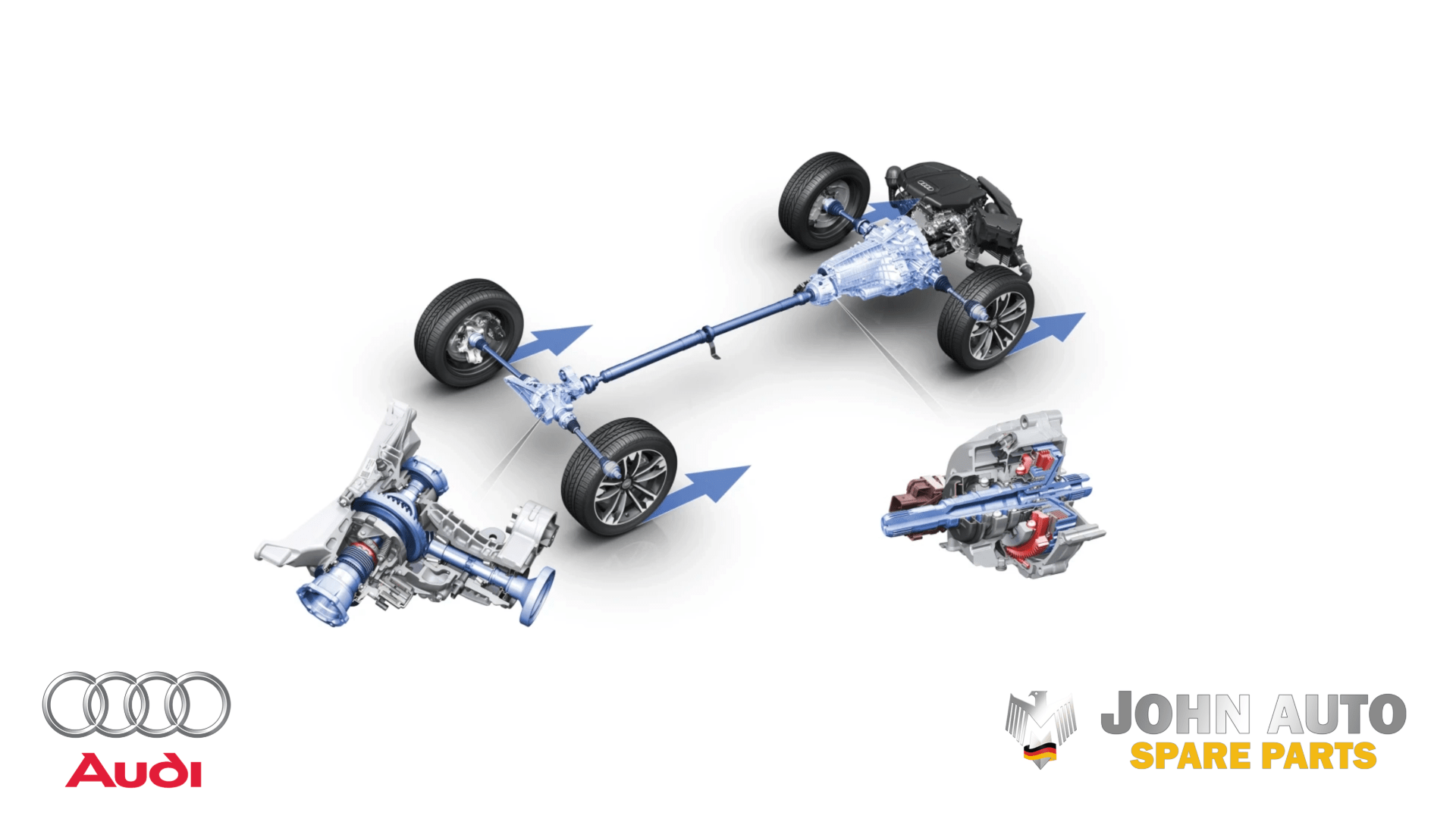
Audi Maintenance Guide for 2026 is more important than ever as modern Audi vehicles continue to evolve with advanced drivetrains, intelligent electronics, and highly integrated software systems. While Audi is known for precision engineering, performance, and luxury, long-term reliability in 2026 heavily depends on proactive maintenance—especially in key areas such as Quattro all-wheel-drive systems, transmissions, and vehicle electronics.
This guide breaks down the most common service areas Audi owners should focus on in 2026 and offers practical insights to help extend vehicle life and avoid costly repairs.
Audi’s legendary Quattro all-wheel-drive system remains one of the brand’s biggest strengths. In 2026, Quattro technology spans multiple configurations, including mechanical Torsen-based systems, electronically controlled center differentials, and Quattro Ultra systems optimized for efficiency.
Differential oil changes: Often overlooked, but critical for longevity. Audi recommends specific fluid types and intervals depending on the model.
Transfer case servicing: Delayed service can lead to vibration, noise, or uneven power distribution.
CV joints and driveshafts: Regular inspection is essential, especially in high-mileage or performance-oriented models.
Ignoring Quattro-related maintenance can result in drivetrain binding, warning lights, or reduced traction performance—issues that are far more expensive to fix later.
Audi vehicles use a range of transmissions, including S tronic (dual-clutch), Tiptronic (automatic), and manual gearboxes in select markets. As of 2026, most Audi models rely heavily on advanced automatic and dual-clutch systems paired with electronic control units.
Transmission fluid replacement: Despite “lifetime fluid” claims, real-world conditions prove that regular fluid changes dramatically improve transmission lifespan.
Mechatronic units: Found in S tronic gearboxes, these are sensitive to fluid condition and heat.
Clutch wear (dual-clutch systems): Stop-and-go traffic and aggressive driving accelerate wear.
Early signs such as delayed shifts, jerking, or warning messages should never be ignored. Addressing transmission issues early can prevent full gearbox replacement.
Modern Audi vehicles are as much computers as they are cars. From digital cockpits to advanced driver assistance systems (ADAS), electronics now play a central role in vehicle performance and safety.
MMI infotainment systems: Screen freezes, software glitches, and Bluetooth issues are common without updates.
Sensors and modules: Parking sensors, radar units, and camera systems require calibration after repairs or battery replacement.
Battery management systems: Especially critical in mild-hybrid and plug-in hybrid Audi models.
A weak or failing battery can trigger multiple false error codes, making diagnostics misleading if not handled by experienced technicians.
While technology has advanced, traditional maintenance remains essential:
Timing components (chains or belts depending on engine)
Cooling system components such as water pumps and thermostats
PCV valves and intake components prone to carbon buildup in turbocharged engines
In 2026, many Audi engines are highly tuned for efficiency and emissions, which means tolerances are tighter and neglect shows faster.
To keep your Audi reliable beyond 2026:
Follow shorter service intervals rather than maximum factory limits
Use OEM or high-quality aftermarket parts
Address warning lights immediately
Ensure software updates are performed during service
Work with Audi specialists familiar with Quattro and electronic systems
Preventive maintenance is significantly cheaper than corrective repairs—especially on premium European vehicles.
As Audi systems become more integrated, the quality of replacement parts directly affects performance and reliability. Inferior parts can cause sensor misreads, software conflicts, or premature wear—leading to repeat repairs.
Using trusted OE, OEM, or proven aftermarket components ensures compatibility with Audi’s precise engineering standards.
Audi Maintenance Guide for 2026 highlights one key reality: Audi ownership rewards drivers who stay proactive. Quattro systems, advanced transmissions, and sophisticated electronics all deliver exceptional performance—but only when properly maintained.
If you’re planning to keep your Audi running at its best in 2026 and beyond, investing in correct servicing and quality parts is non-negotiable.
For genuine, OEM, and high-quality aftermarket Audi parts, contact us today or shop directly through our online store. Our team is ready to help you find the right parts and keep your Audi performing the way it was engineered to.